Referral Networks and Their Influence on Bonus Stacking in Online Casino Environments
Written by Sage Carter · Aug 24, 2026
Referral Networks and Their Influence on Bonus Stacking in Online Casino Environments
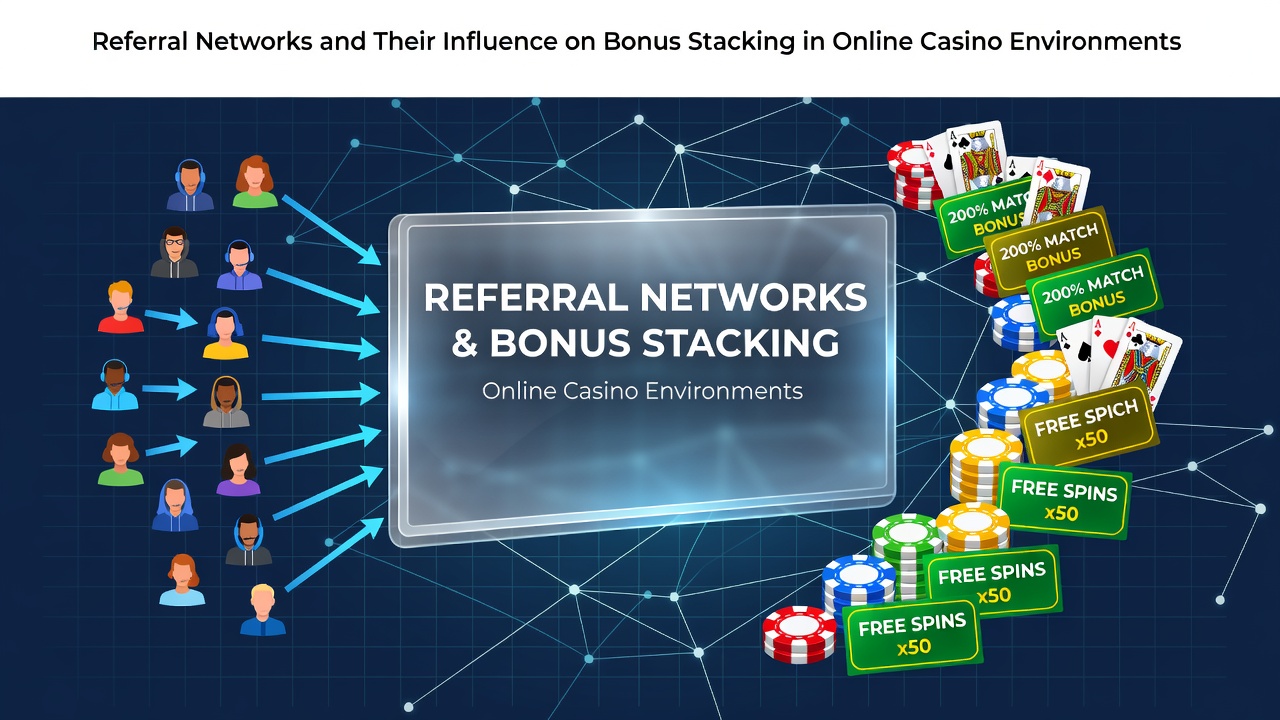
Referral networks in online casino settings consist of structured invitation systems where existing players receive rewards for bringing in new participants, and these rewards frequently intersect with bonus stacking mechanisms that allow multiple promotional offers to apply simultaneously within a single account. Operators design these networks to expand user bases while players explore ways to combine welcome bonuses, deposit matches, and loyalty points through coordinated referrals. Research from academic institutions has tracked how such systems operate across various jurisdictions, revealing patterns in reward distribution that depend on platform rules and player activity levels.
Structure of Referral Programs
Operators typically build referral programs around tiered incentives where the referrer earns credits or free spins once the invited user completes registration, makes a qualifying deposit, and meets wagering thresholds, whereas the new player receives their own entry-level bonus package that can overlap with existing promotions. Data indicates these programs run on automated tracking software that logs invitation codes and verifies compliance before releasing rewards, and this automation reduces manual oversight while maintaining consistent payout schedules. Observers note that successful networks often feature progressive rewards, such as escalating bonuses for multiple successful referrals within a set period, which encourages sustained engagement rather than one-time actions.
Mechanics Behind Bonus Stacking
Bonus stacking occurs when platforms permit several promotional credits to accumulate on the same account or wager, allowing players to layer deposit bonuses with cashback offers and referral rewards in sequence, provided the terms of each promotion align without explicit exclusion clauses. Studies from research organizations show that stacking potential varies by game category, with slots often carrying lower wagering multipliers than table games, which influences how players allocate their combined funds across different sections of the site. Those who examine transaction logs find that stacking frequently requires precise timing, such as activating a referral bonus before completing a separate deposit match, since order of application can determine whether all offers remain active or whether one overrides another.
Interactions Between Referrals and Stacking
Referral rewards integrate into stacking sequences when operators allow the bonus earned from an invitation to combine with a new user's welcome package, creating a compounded starting balance that extends playtime before real-money wagers begin. Figures from industry reports reveal that platforms in certain regions track these combinations through separate ledgers to prevent unintended exploitation, yet the underlying code still permits legitimate overlaps when players follow the stated conditions. Take one documented case where a multi-level referral chain led to simultaneous activation of three distinct bonuses on linked accounts, and analysts recorded higher retention rates among participants who navigated the stacking rules effectively compared with those who used single bonuses alone.
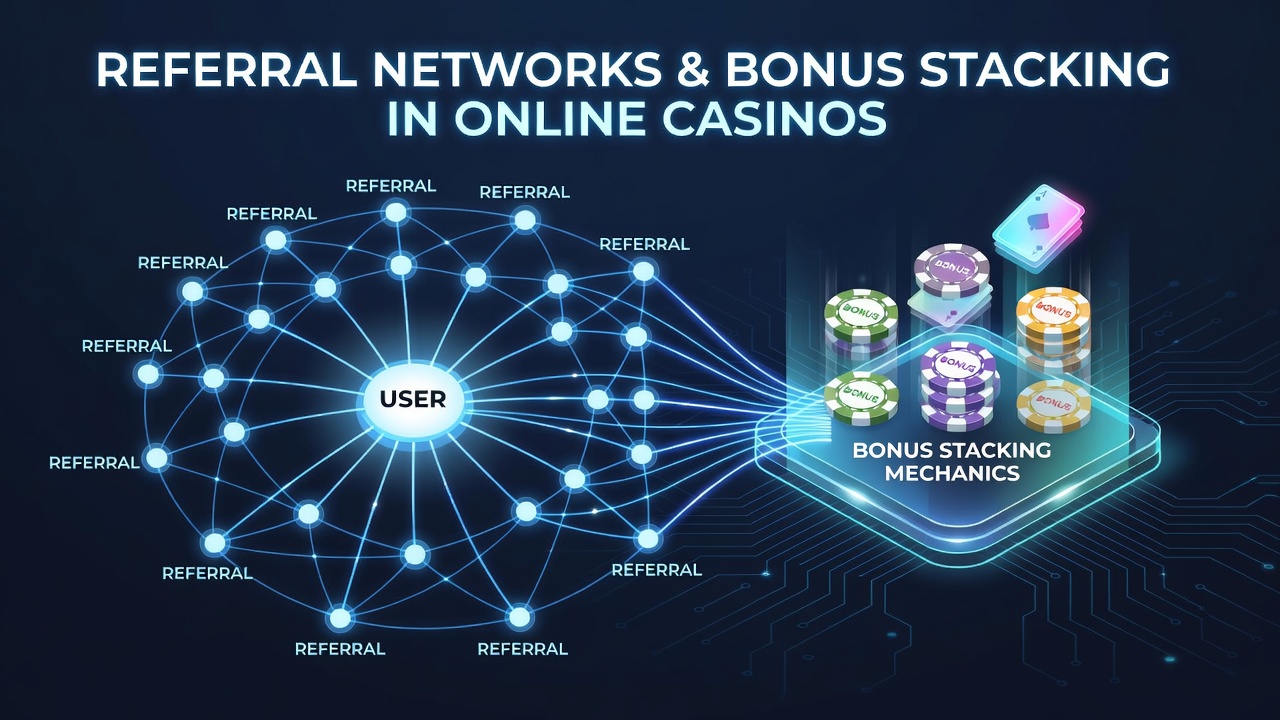
What's interesting is how the timing of referrals relative to bonus expiration dates affects overall stacking value, because a referral bonus activated near the end of a welcome offer window can extend the usable period without violating single-bonus rules. Researchers have observed that some networks incorporate anti-stacking safeguards, such as cooldown periods between referral claims, while others leave the combinations open to encourage volume. According to data compiled by the European Gaming and Betting Association, referral-driven stacking contributed to measurable increases in average session length during monitored periods, though the exact figures depend on the specific regulatory environment governing each operator.
Regulatory Considerations Across Regions
Government agencies in multiple jurisdictions require operators to disclose stacking rules clearly within terms of service, and this transparency obligation extends to referral programs so that players understand which combinations remain permissible. Reports issued by the Nevada Gaming Control Board highlight how compliance audits examine whether referral incentives inadvertently create unfair advantages when stacked with other promotions, leading some platforms to implement automated flags that pause rewards until manual review occurs. In Australia, regulatory bodies have examined similar systems through consumer protection lenses, focusing on whether stacked bonuses influence spending patterns among referred users who might otherwise limit activity.
Patterns Observed as of August 2026
As of August 2026, platform analytics indicate that referral networks continue to expand in markets where digital gambling operates under established licensing frameworks, with stacking features appearing most frequently in jurisdictions that permit flexible bonus structures. Data from the National Council on Problem Gambling shows correlations between active referral programs and increased account creation rates, yet the same reports note that stacking mechanics require ongoing monitoring to ensure they do not conflict with responsible gaming limits. Those who review aggregated transaction data find that players who participate in both referrals and stacking tend to maintain accounts longer, provided the combined rewards do not exceed platform-imposed caps on total bonus value per cycle.
Conclusion
Referral networks and bonus stacking therefore represent interconnected components of modern online casino operations, where invitation systems feed into layered reward mechanisms that operators manage through detailed rules and tracking tools. Evidence from regulatory filings and academic analyses demonstrates consistent structural patterns across regions, while the specific outcomes depend on how each platform codifies its terms and enforces compliance. Continued examination of these systems provides clearer understanding of how incentives circulate within digital environments without introducing subjective judgments about their value or impact.