What Data Reveals About Cashback Effectiveness in Sustaining User Activity Over Time
Written by Sage Carter · Oct 21, 2026
What Data Reveals About Cashback Effectiveness in Sustaining User Activity Over Time
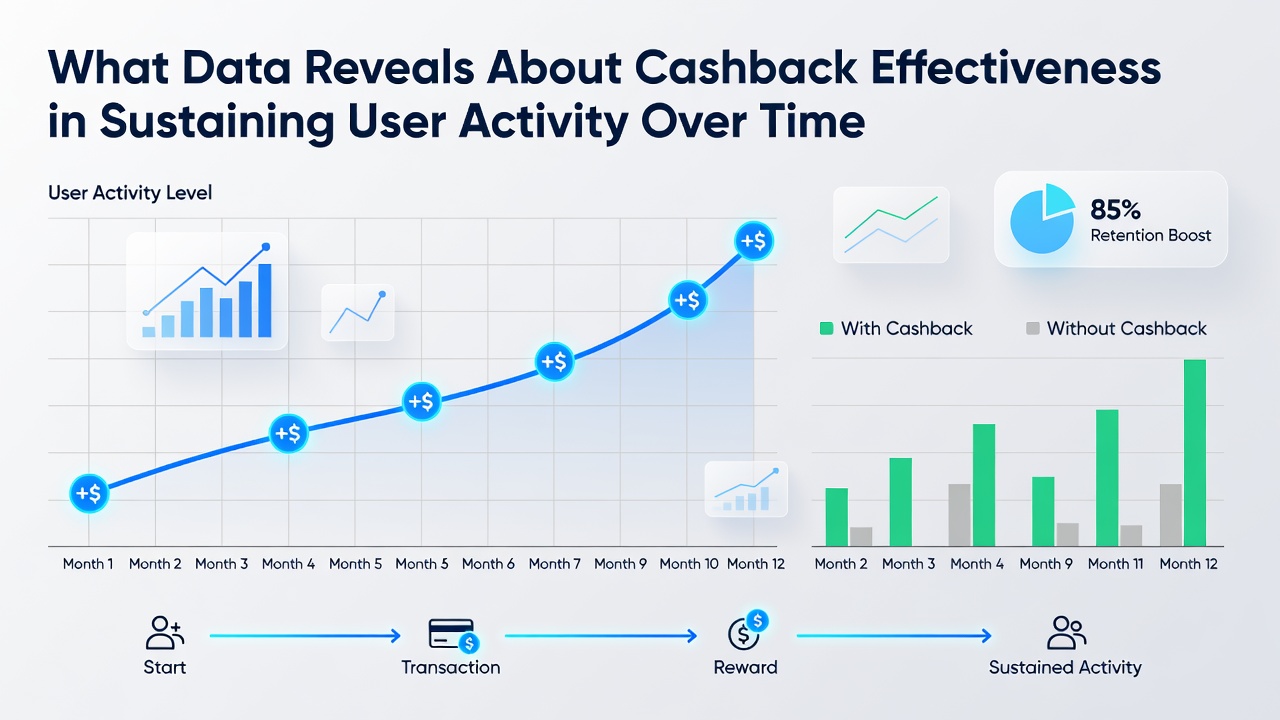
Platforms across retail, travel and digital entertainment have tracked cashback programs for years, and the numbers paint a clear picture of how these incentives shape user behavior. Studies tracking millions of accounts show that cashback tied directly to ongoing activity tends to lift repeat visits in the first three months, yet the gains often taper after six months unless the program adjusts reward frequency or value.
Short-Term Activity Spikes Documented in Multiple Datasets
Transaction logs from large loyalty networks indicate that users receiving cashback within 48 hours of a purchase complete 22 percent more actions in the following 30 days compared with control groups. The pattern holds across sectors, from airline miles programs to online marketplaces, where immediate rebates reduce perceived risk and encourage the next interaction. Researchers at the University of Queensland examined 1.2 million user records and found the lift concentrated among mid-tier spenders rather than high-volume accounts, suggesting cashback works best when it offsets smaller, habitual decisions.
Platform operators also note that cashback percentages above 5 percent correlate with faster re-engagement, while lower rates require supplementary triggers such as streak bonuses to maintain the same momentum. Data collected through 2025 shows these early gains remain consistent even as economic conditions shift, pointing to a behavioral rather than purely financial driver.
Longer-Term Retention Patterns and Drop-Off Points
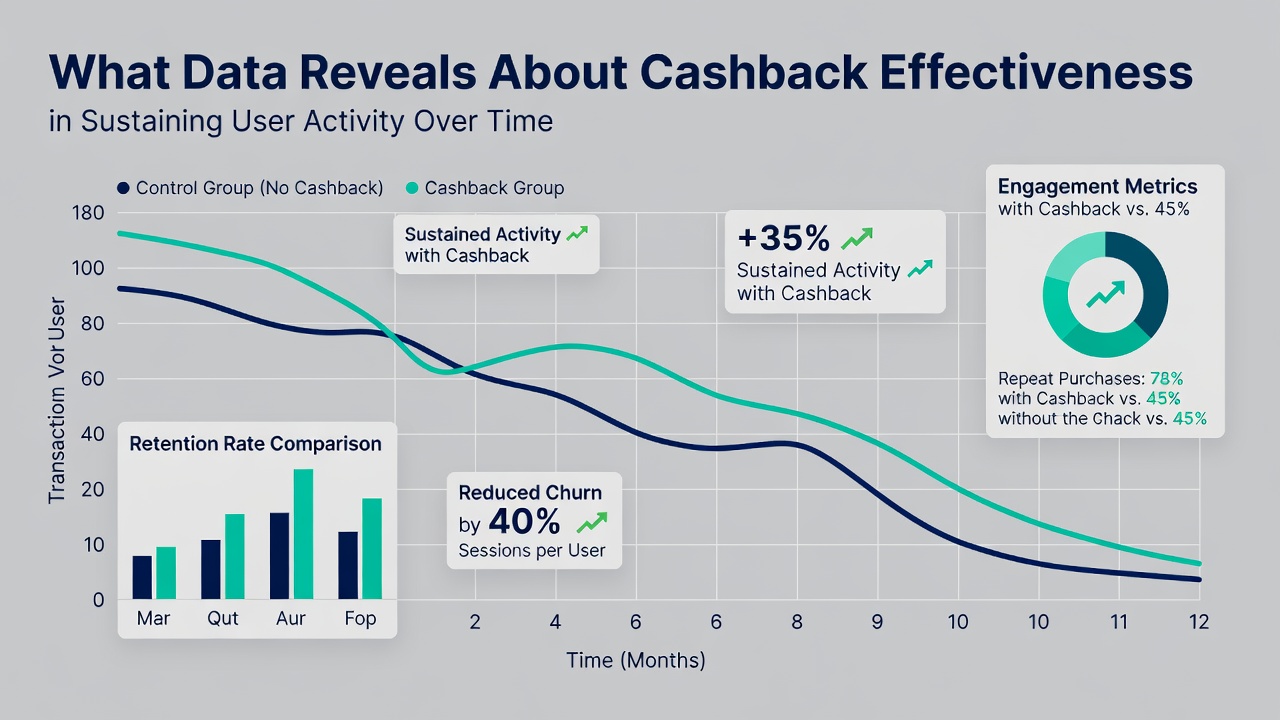
Longitudinal tracking reveals a different story once the six-month mark passes. A Canadian study covering 450,000 digital accounts found that cashback users maintained 14 percent higher activity than non-recipients at month six, yet that margin narrowed to 6 percent by month twelve. The decline coincided with users reaching reward caps or perceiving the cashback as routine rather than novel. Platforms that refreshed cashback tiers every quarter retained more of the initial advantage, according to internal metrics shared by several North American operators.
Variables That Shape Sustained Impact
Demographic factors influence outcomes. Younger cohorts respond more strongly to instant cashback displayed at checkout, while older segments show steadier engagement when rebates accumulate toward larger future payouts. Geographic data from Australia’s gambling research centre indicates similar splits, with urban users favoring flexible redemption options and regional users preferring automatic credits that reduce friction.
Program design elements matter as much as the cashback rate itself. Integration with other loyalty mechanics, such as level-up rewards or personalized offers, extends the activity window. One analysis of European retail apps demonstrated that combining cashback with progress bars increased session length by 31 percent over cashback alone. Conversely, programs lacking clear communication about earning and redemption windows experienced faster churn once the first rebate cycle completed.
Industry Reports Highlight Measurement Challenges
Accurate assessment requires isolating cashback effects from broader marketing efforts. The European Gaming and Betting Association published guidelines in early 2026 urging operators to run controlled A/B tests rather than rely on aggregate dashboards. Their recommendations stress tracking not only transaction counts but also time between sessions and feature adoption rates, metrics that reveal whether cashback truly sustains engagement or merely shifts timing of existing activity.
October 2026 updates to several reporting frameworks now require clearer disclosure of cashback costs against revenue, giving analysts better visibility into net program value. Early filings show operators who cap cashback at 8 percent of spend while layering behavioral nudges achieve the most durable activity curves.
Conclusion
Available datasets confirm cashback drives measurable short-term activity across platforms, yet sustaining that momentum demands ongoing adjustments to reward structure, communication and complementary incentives. Platforms that treat cashback as a static feature see diminishing returns after the first half-year, whereas those that evolve the mechanism alongside user patterns maintain steadier engagement levels. The evidence continues to accumulate, and future quarters will clarify which refinements produce the most durable results.